
Start with condition, not guesswork
Older wiring is not automatically unsafe and newer wiring is not automatically fault-free. The right decision comes from inspection, test results, alterations made over time and whether the installation still meets how the home is used.
Signs worth investigating
Repeated tripping, heat damage, brittle accessories, limited circuits, old cable types or a history of improvised alterations are all reasons to arrange an assessment.
- Burning smells or discolouration
- Sockets or switches that feel hot
- Flickering or intermittent power
- Very few sockets and extensive extension leads
- No record of previous electrical work
Partial versus full rewiring
Some homes need targeted circuit replacement while others are better served by a coordinated full rewire. Access, décor, future renovation plans and the relationship between old and new circuits all affect the recommendation.
Plan around the building
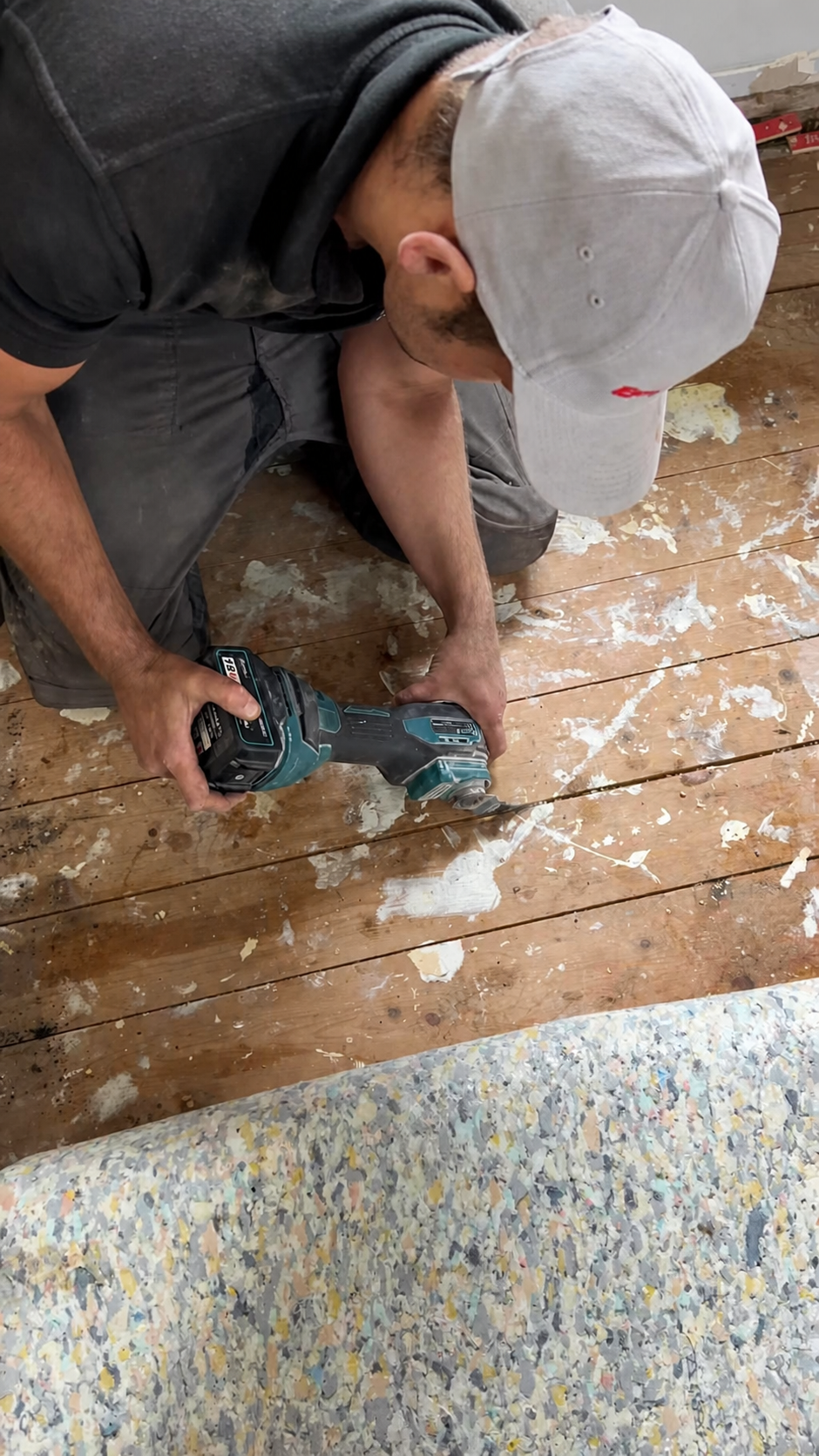
Floor construction, decoration, occupied rooms and future joinery all affect routes and sequencing. A proper survey should make disruption visible before work starts rather than discovering it room by room.
What a useful quote should define
Look for the rooms, circuits, accessory assumptions, making-good boundaries, programme and certification in the written scope.
- First-fix and second-fix stages
- Socket, switch and lighting schedule
- Consumer-unit and alarm work
- Who handles lifting, access and making good
Do not work on live electrical equipment. If there is smoke, fire, a burning smell or immediate danger, keep clear, isolate only if safe and contact the emergency services where appropriate.